Everyone has a first job that actually counts—the one that tests you properly, rather than just letting you ease in.
Mine was a 120-unit residential development, and it landed in my lap just three months after I’d properly entered the construction industry.
This isn’t the story of how that project came about. It’s the story of what it actually taught me, because the lessons from that job have shaped nearly every decision I’ve made on a site since.
Nineteen years and more than 1,000 projects later, I still find myself measuring new jobs against what I learned on that one.
A 120-Unit Development, Not a Gentle Introduction
The job was a large-scale residential development—120 units, built across a single site, with dozens of trades needing to move through the same space without constantly getting in each other’s way.
A project that size isn’t simply a bigger version of a small build. It multiplies everything that can go right or wrong.
One delay doesn’t just affect one home. It can ripple through the entire schedule, pushing back every trade lined up behind it.
A mistake that would be a minor fix on a single dwelling becomes a much bigger problem when it’s repeated, or nearly repeated, across a fraction of 120 units.
That scale is what made this project the real test, not just another job on the list. It wasn’t the kind of build where you could quietly learn as you went without anyone noticing.
I’d worked across enough trades by that point to understand individual pieces of a build reasonably well. What I hadn’t yet done was see how all of those pieces had to move together, at scale, without anyone slowing the others down.
Made Foreman Three Months Into the Industry
I wasn’t brought onto that site as a labourer working my way up. I was appointed foreman, responsible for the whole project, only three months into the construction industry.
What that actually meant, day to day:
- Coordinating every trade on site so their work lines up rather than clashes
- Keeping a 120-unit build moving to schedule
- Managing subcontractors, many with far more years in the industry than I had
- Making calls on problems that didn’t come with an obvious answer
- Being the person the crew looked to for a decision, not a discussion
It wasn’t a role I grew into slowly. It arrived all at once, and I had to meet it at the same pace it arrived.
There was no gradual ramp-up where I could ease into smaller decisions before working my way up to bigger ones. From the first week, I was making calls that affected the whole project.
Looking back, I think the speed of it was actually part of what made it work. If I’d been given months to prepare, I probably would have spent that time worrying about whether I was the right person for the job.
Earning the Respect of Subcontractors Twice My Experience
The hardest part of that project wasn’t technical. I already understood the trades involved, having worked through most of them myself.
The real challenge was earning trust fast from people who had no obvious reason to give it to me.
Plenty of the subcontractors on that site had been working in the industry longer than I’d been alive. I couldn’t lead by seniority, because I didn’t have any.
Every decision I made was, in a way, being tested—not maliciously, just realistically. Nobody hands over respect on a job that size without seeing it earned first.
I remember being conscious of that from the very first week. A crew doesn’t need to say anything out loud for you to know whether they respect the calls you’re making.
It shows in small things—how quickly they act on an instruction, whether they come to you with a problem or try to quietly work around it, and how much explaining they expect before they’ll follow a direction.
What helped, more than anything, was that I could speak to most trades from some level of firsthand experience. When I asked a bricklayer or an electrician to do something a certain way, it wasn’t coming from a textbook.
The Habits That Actually Got the Project Through
I won’t pretend there was one dramatic mistake that defines this project, because that’s not an honest version of what happened.
Construction rarely works that way. It’s not usually one big failure that threatens a job. It’s a string of small pressures that either get managed properly or start to snowball.
What held up under pressure:
- Understanding each trade well enough to make fair, informed calls rather than guesses
- Staying visible on site rather than managing from a distance
- Treating experienced subcontractors with the same respect I’d want shown to me
- Being willing to say, “I’m not sure; let’s work it out,” rather than bluffing an answer
That last point mattered more than I expected it to at the time. I assumed, early on, that a foreman was supposed to have an answer for everything.
What I learned instead was that people trusted me more when I was honest about not knowing something than when I tried to fake the certainty I didn’t feel.
Those habits are what got the project through, and they’re the same habits I still rely on nearly two decades later.
Making Calls Without Certainty, Then Standing Behind Them
The pressure on that job wasn’t about any single failure. It was about the constant weight of decisions that had no textbook answer.
On a job of that size, something needs a decision most days—a materials delay that affects three trades at once, a sequencing issue nobody flagged early enough, or a subcontractor raising a concern that needs an answer before work can continue.
None of those problems came with an instruction manual. They just needed someone to make a call and be accountable for it.
Leading a project properly means being comfortable making a call without certainty, then standing behind it. Waiting for perfect information before acting simply isn’t realistic on a site that size.
That’s a lesson no classroom or qualification could have given me. It only came from being in the position and having no choice but to work it out, decision by decision, under real pressure.
I also learned, somewhere in the middle of that project, that a wrong decision made confidently and corrected quickly does far less damage than indecision.
Why Respect on Site Is Earned, Never Assumed
If I had to narrow the entire project down to one lesson, it would be this: respect on a construction site is earned through decisions, not claimed through a title.
I didn’t have seniority on that job, and I couldn’t fake experience I didn’t have. What I could do was show, trade by trade, that I understood the work well enough to make sound calls.
That’s still how I approach every project today, whether it’s a small residential job or a large-scale development.
This lesson has stayed with me longer than almost anything else from that period, because it applies well beyond that one project. It shaped how I’ve treated every subcontractor and every crew member since.
I think that’s part of why so many of the same trades and subcontractors have kept working with me over the years since. Respect that’s earned tends to hold on, long after the specific project that earned it has finished.
The Standard That Project Set for Everything After Itw
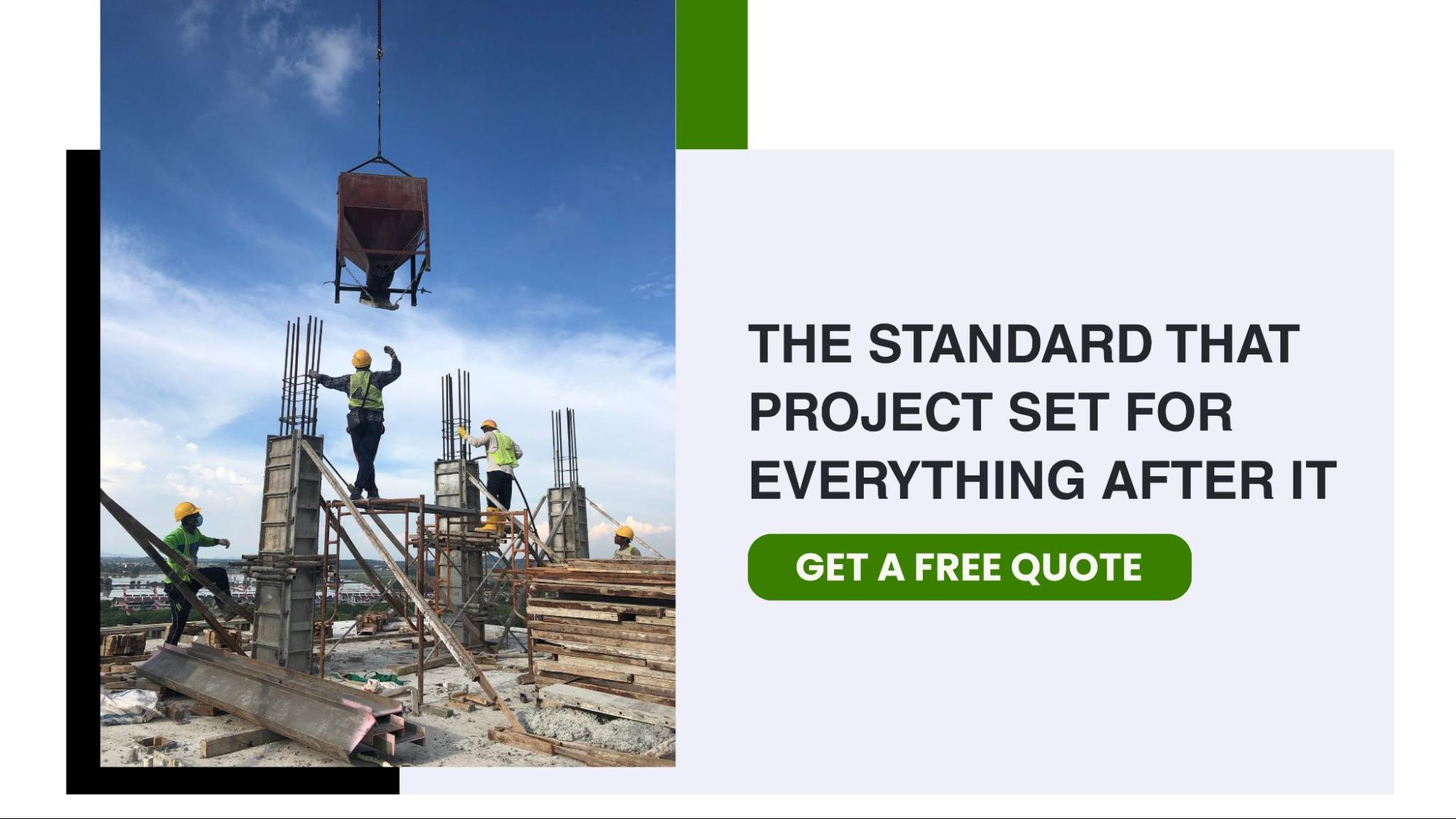
Nineteen years and more than 1,000 projects later, that 120-unit development is still the reference point I measure other jobs against.
What it set in motion:
- Proof that I could take on real responsibility before I necessarily felt ready for it
- A working understanding that leading a site means understanding the work, not standing above it
- A standard for earning trust that I’ve applied to every project since
- Confidence that making a decision, even an imperfect one, beats freezing under pressure
I still walk every site personally rather than managing from a distance, and I still hold every project to the same standard regardless of its size.
Both of those habits trace directly back to that first major project, where there was no room to fake either one.
It’s easy, looking back from where the business is now, to make that first project sound like a neat turning point with a clear beginning, middle, and end. At the time, it didn’t feel that way at all.
It felt like a lot of long days, a fair amount of uncertainty, and a steady stream of decisions that had to be made whether or not I felt ready for them.
What made the difference, in the end, wasn’t confidence I already had going in. It was being willing to earn it, one decision at a time, on a project that gave me no other option.
FAQs
What was Ibrahim George Dardas’s first major project?
A 120-unit residential development, which he led as foreman just three months after entering the construction industry.
What was his role on the project?
Foreman—responsible for coordinating trades, managing subcontractors, keeping the build to schedule, and making on-site decisions.
What was the biggest challenge he faced?
Earning the trust and respect of experienced subcontractors quickly, despite having far less time in the industry than most of them.
What went right on the project?
Staying hands-on, understanding each trade well enough to make informed decisions, being honest when he didn’t have an answer, and treating every subcontractor with the same respect regardless of his own experience level.
What was the biggest lesson learned?
That trust on a construction site is earned through sound decisions, not assumed because of a job title—a principle he still applies today.
How did that first major project shape his later career?
It set the standard he still holds for every project to stay visible on site, understand the trades involved, make decisions confidently under pressure, and apply the same care no matter the project’s size.