A building is really thousands of small decisions made in the right order. Most of them are invisible by the time the job’s finished, and that’s exactly why they matter. The details that get missed rarely show up on handover day. They show up later, usually at the least convenient moment.
For him, attention to detail isn’t about fussiness. It’s a practical way of avoiding expensive problems. Here’s how it plays out on real jobs.
Why Small Things Cause Big Problems
Building is cumulative. Each trade works on top of what the last one did, so a small error early on gets built into everything that follows. A measurement that’s slightly out in week one doesn’t stay slightly out. It becomes a misfit in week six and a rework in week ten.
Imagine a floor that’s a touch off level. The tiler has to work around it, the cabinetmaker has to adjust to it, and the finishes end up compensating for a mistake nobody caught. None of those trades did anything wrong. They just inherited a problem that started earlier in the job.
That’s why he treats the early stages as seriously as the finishing touches. Catching a problem when it’s one wall costs far less than catching it when it’s an entire floor.
He’d say the cheapest time to fix a mistake is before anyone has built on top of it, and the most expensive is after the client has moved in. It also explains why he walks every site himself. A detail can only be checked by someone who’s looking, and a problem is much easier to fix before the next trade has covered it up.
Details Settled Before Work Starts
Some of the most important details are decided before anyone picks up a tool. On a project like 12 Raleigh Street, Coogee, a single luxury home on a tight coastal block, there’s no spare space to absorb a mistake. So the careful work starts early:
- Planning site logistics before the first trade arrives
- Taking extra care with every measurement and structural decision
- Working out where materials, machinery and storage will actually fit
On a more complicated site, the same thinking applies to paperwork. At Yennora, getting a stuck subdivision moving meant meeting compliance requirements one at a time and resolving each zoning question properly. Every box ticked was one less reason for the project to stall again later.
Details Built Into the Walls
Some details never show once the plasterboard goes up, but the building depends on them for decades.
At the Dahlia Street Duplex in Greystanes, two homes share a wall. That brings fire rating, acoustic separation and structural requirements, all of which have to be right the first time. Fixing any of them after the fact isn’t a cosmetic job. It can turn into a compliance problem that holds up the entire project.
That’s why this kind of work gets planned well before it’s built. Once the walls are closed in, there’s no easy way back.
The detail also extends to timing. With two homes going up side by side, the trades are sequenced so one side doesn’t pull ahead of the other. It sounds minor, but it keeps the finish consistent across both homes and stops small delays from building up unnoticed.
Details People Notice
Then there are the details everyone sees. On a high-end home, finishes get inspected closely, by the owner, by visitors and by any future buyer. There’s nowhere to hide. A home like this is judged against other high-end properties nearby, many of which have been looked after for decades.
That’s why he holds finishes to a higher tolerance on a build like this and applies the same discipline to every trade, from carpentry and electrical to plumbing and finishing. The trades are the same as on any other job. The difference is how little room there is for anything less than exact.
How the Checking Actually Happens
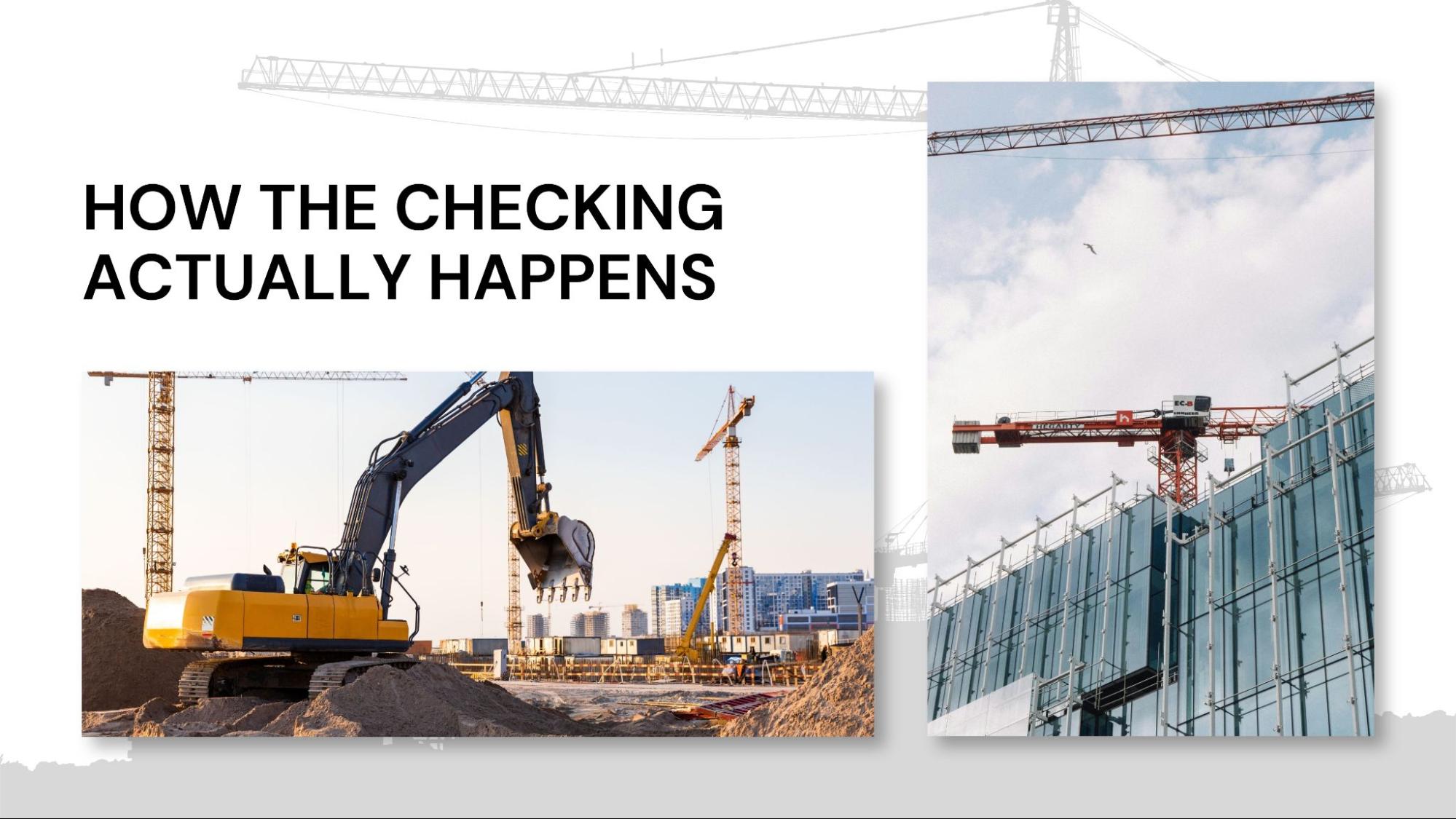
There’s no mystery to how he keeps on top of it. It comes down to a handful of habits:
- Walking every site. Seeing the work in person beats reading a report.
- Planning the sequence. Trades arrive in the right order, so earlier work isn’t disturbed.
- Listening to the crew. The people on the tools often spot problems first.
- Paying people properly. Tradies who feel valued take more care.
- Finishing to sign off. On a subdivision, that means reaching stages such as the Occupation Certificate, with the work meeting the standard.
None of it is complicated. It just has to be done every day, including the days when everything’s going fine and a detail might easily be skipped. Consistency is really the whole system. A habit that’s only followed on difficult days doesn’t protect much.
It also keeps people honest. When the person in charge is on site and paying attention, the rest of the crew tends to do the same, and problems get raised rather than quietly worked around.
Why It’s Worth the Extra Effort
It would be easy to see all this as overkill on a small job. He doesn’t, because the habit of looking closely doesn’t switch on and off with the size of the contract.
It’s partly how he was raised. Hard work in his house was expected rather than praised, and doing a job properly was simply part of that. He’s talked about how he was raised, and the quiet lessons from home are the ones that stuck.
He works for all types of clients, from big to small, and the same attention goes into each. A client who sees that care in the small things tends to trust the big ones.
Looking closely also builds trust with the crew. When a builder notices the care someone has put in and speaks up when something’s off, it tells everyone that the standard is real. That makes it much easier to hold.
Mistakes also get costlier the longer they sit. A detail caught on the day is a quick fix. The same detail caught after handover means a phone call, a return visit and a client who’s lost a little faith.
Common Questions About Detail and Quality
Why does attention to detail matter so much in construction?
Because each trade builds on the last, small early errors get built into everything that follows and cost far more to fix later.
What’s an example of a detail that prevents problems?
Getting fire rating, acoustic separation and structural requirements right the first time on a shared-wall build, rather than fixing them after the fact.
How does he check the work?
He walks every site, plans the sequence of trades carefully and stays close to the work as it happens.
Do small jobs get the same attention as big ones?
Yes. He works for all types of clients, from big to small, and the care doesn’t change with the size of the contract.
Why does paying tradies on time affect quality?
Tradies who feel valued take pride in their work. The quicker you pay, the quicker the project completes with quality.
What happens when a detail is missed?
He deals with it openly and fixes it properly, rather than hoping nobody notices.