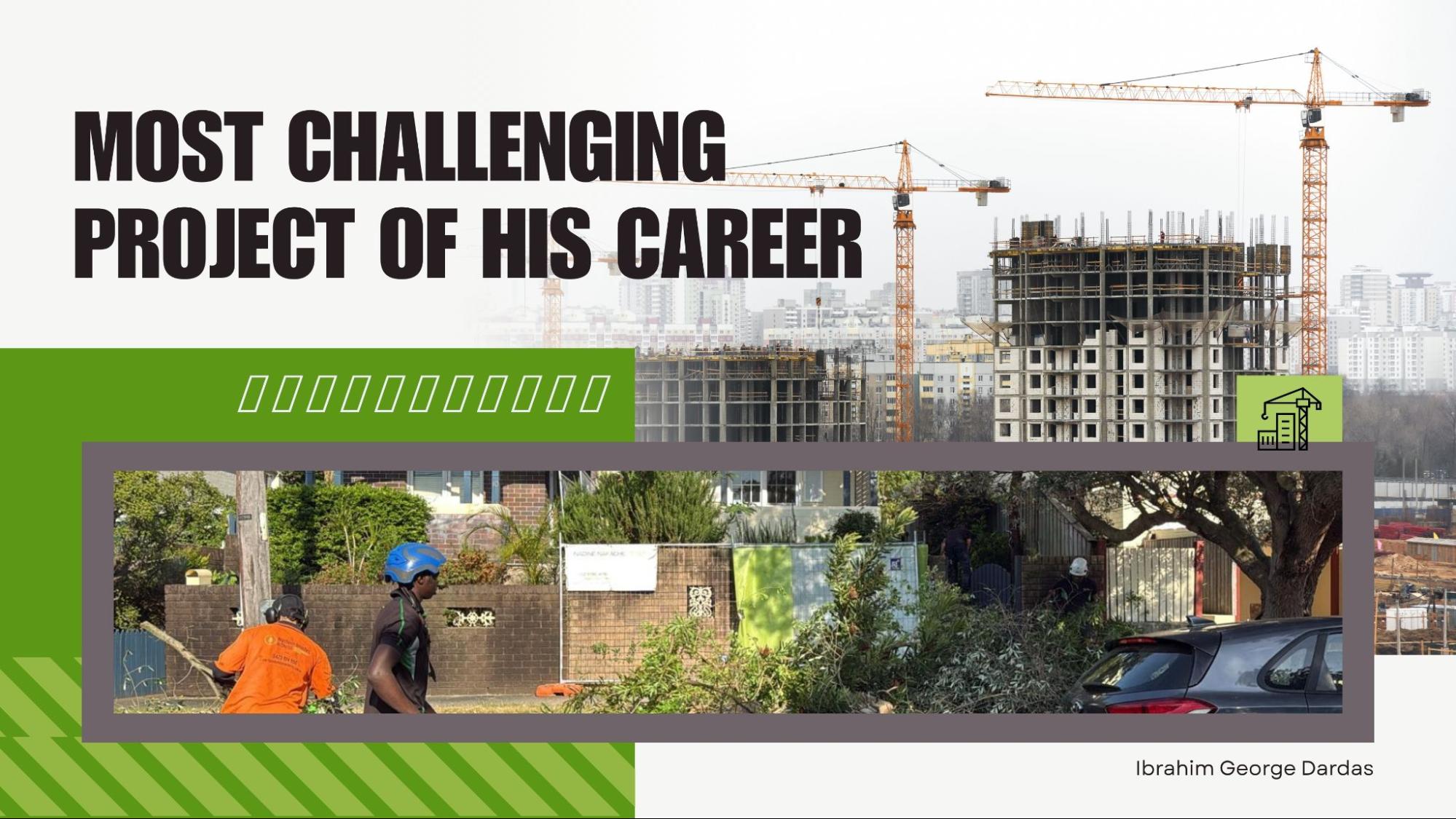
Challenge isn’t always about size. A huge development has plenty of moving parts, but it also has room to absorb a slip. Sometimes the hardest job is a small one where there’s nowhere to hide.
For a business that has delivered more than 1,000 projects, one of the toughest tests on the books right now is a single house in Coogee. Here’s why.
The Project
12 Raleigh Street, Coogee is one luxury home in one of Sydney’s premium coastal suburbs. It’s currently in progress.
Most of the projects on the Dardas Construction books involve several dwellings, shared walls or subdivisions across multiple lots. This one is different. It’s a single high-end home, and that changes almost everything about how the job is approached, from the first site visit through to the final coat of paint.
Coogee is a suburb where land doesn’t come cheap, and neither does client expectation. That’s a very different pressure to building in a growth corridor, where the comparison is usually with similar new homes going up down the road.
Why One House Is Harder Than It Sounds
You’d expect a single house to be simpler than a subdivision. In some ways it’s the opposite.
On a multi-lot project, a slightly rough finish on one unit can get lost in the overall scale of the job. If something’s slightly off on a nine-lot subdivision, it’s one lot out of nine. On a single luxury build, it’s the whole project.
A single luxury home can demand more attention per square metre than an entire subdivision, simply because there’s so little else for the eye to land on.
Then there’s the comparison. A home in Coogee isn’t judged against the average new build. It’s judged against established, high-value properties nearby that have often been maintained and renovated for decades, and against whatever the owner had in mind when they decided the investment was worth it.
The Biggest Challenge
The toughest part is the combination of tight space and high scrutiny. Coastal suburbs tend to come with restricted blocks, and restricted blocks mean:
- Less room for site storage
- Less room for machinery to manoeuvre
- Less margin for adjusting plans once construction is underway
- No spare space to absorb a mistake
A mistake that might be absorbed on a roomier block can quickly become a bigger problem when there’s nowhere for machinery to go or materials to sit. Every measurement and structural decision matters a little more when there’s no slack in the site. And because every finish is visible, every shortcut would be obvious.
It’s one thing to say quality standards don’t change with project size. It’s another to hold that line on a build where nothing can be hidden. That’s the real test here.
How the Team Responds
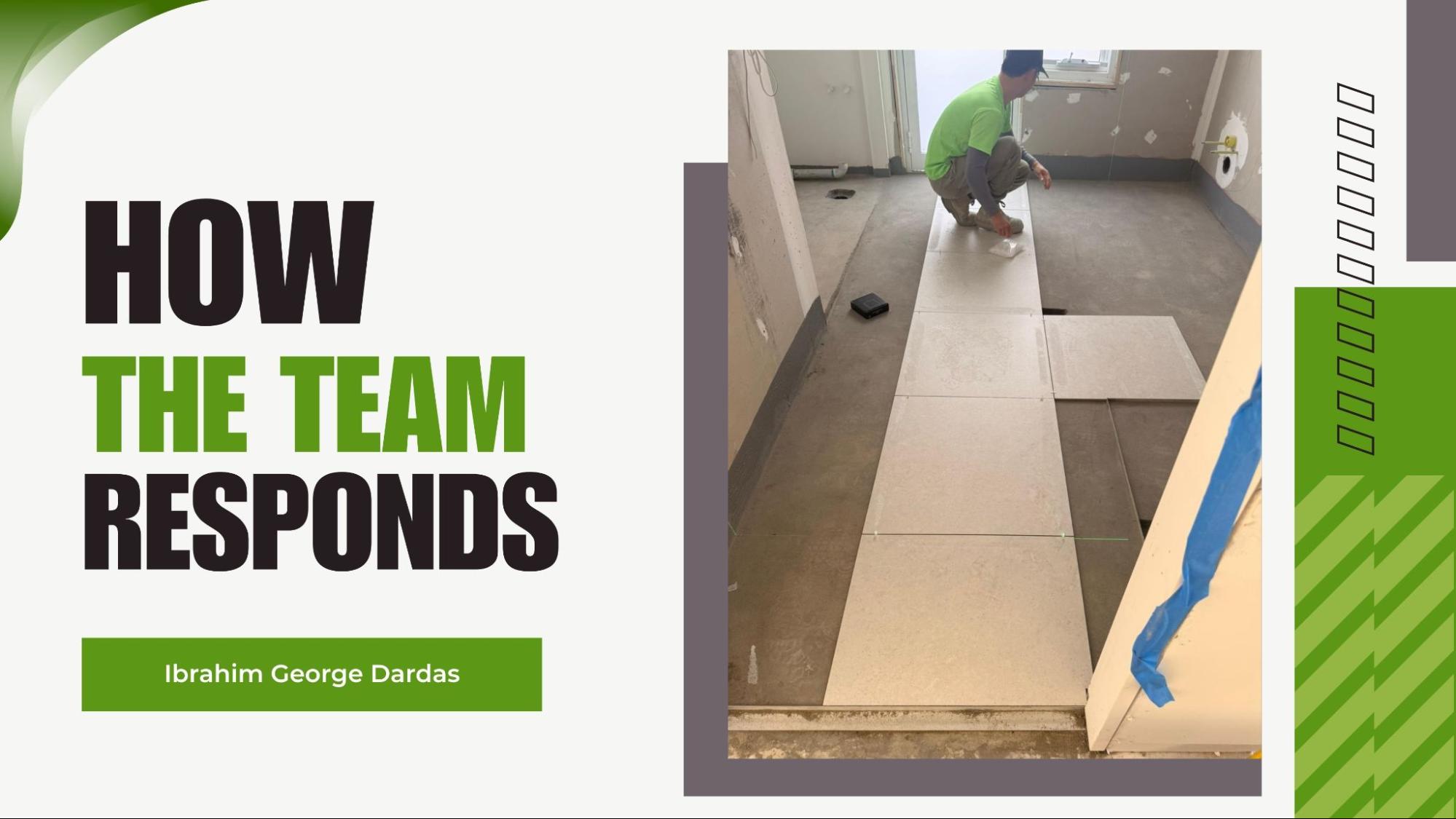
The starting point is simple. Dardas Construction applies the same standard to every job, whether it’s a small residential build or a large commercial one. A luxury home in Coogee is that principle under a magnifying glass.
In practice, that shapes the work in a few ways:
- Planning site logistics well before the first trade arrives, since fixing a storage or access problem mid-build is far harder on a tight block
- Treating every measurement and structural decision with extra care
- Holding finishes to a higher tolerance than a standard build would demand
- Applying the same discipline to every trade, from carpentry and electrical to plumbing and finishing
Precision in Every Detail
The trades involved are the same as on any other residential job. What changes is the tolerance for anything less than exact. None of those steps is unusual on its own. The difference is doing every one of them consistently on a job where a single slip would be visible from the street. A tradesperson working on a home like this has to approach the work differently, knowing it’ll be judged on a much finer scale.
People don’t walk past a luxury home in Coogee the way they walk past a project home in a new estate. They notice the details, and they notice quickly if something looks off. That awareness sits behind every decision on site, from the first measurement to the last fixture.
Where It Stands
The home is still under construction, so the final result isn’t in yet. Photos of the progress are available on the project page, and more of the finer detail will become clear as it nears completion.
It would be easy to write a neat ending to this story now, but that wouldn’t be honest. What can be said is how the job is being run and what’s already been decided to get it right. A project like this isn’t really judged on the day it’s finished. It’s judged over years, by the owner and by anyone who looks at it closely, which is exactly why the early planning matters so much.
The Lesson So Far
Large projects prove a business can manage scale and coordination. A single luxury home proves something different: that the same discipline holds up even when scale isn’t a factor at all.
It also sits in contrast to the challenge he faced as a young foreman. That job was about earning the respect of experienced subcontractors on a huge site, which he describes in what he learned from his first major project. This one is about precision. Different test, same principle: the standard doesn’t change with the size of the job.
Consistency, Quality and Client Trust
A duplex like the Dahlia Street project in Greystanes has its own demands, such as shared walls and compliance. The Coogee home asks for something else again. Having a spread of jobs like that is part of what keeps the discipline sharp.
It’s also a reminder that honesty with the client matters more, not less, when the stakes feel higher. A client who’s investing heavily in one home deserves to know where things stand at every stage, and to hear about problems early rather than late.
The biggest takeaway is probably the simplest. Pressure doesn’t need a huge budget or a huge site. Sometimes it just needs a small block, a high standard and nowhere to hide, and a business that’s prepared to work to the same standard regardless.
FAQs
Where is the project?
12 Raleigh Street, Coogee, in one of Sydney’s premium coastal suburbs. The project page has progress photos and the full case study.
What type of project is it?
A single luxury home, currently in progress, with completion expected in 2026.
Why is a single home so challenging?
There’s no other lot to average out a weak spot, and the home is judged against established, high-value properties nearby.
What makes the site difficult?
Coastal blocks are tight, which means less room for storage and machinery and less margin for changing plans.
How is the team handling it?
By planning logistics early, taking extra care with measurements and structure, and holding finishes to a higher tolerance. The same discipline applies to every trade on site.
What’s the outcome so far?
The home is still being built, so there’s no final result yet. Progress photos are on the project page, and more of the detail will appear as it nears completion.